Exploring iTaukei Beauty and Hygiene in Precolonial Fiji
Exploring iTaukei people in precolonial times, regarding their hygiene and beauty regiments. From coconut oil in their hair, to soot paste on their skin and hibiscus flowers as perfume; this exhibition is to present and appreciate those practices.
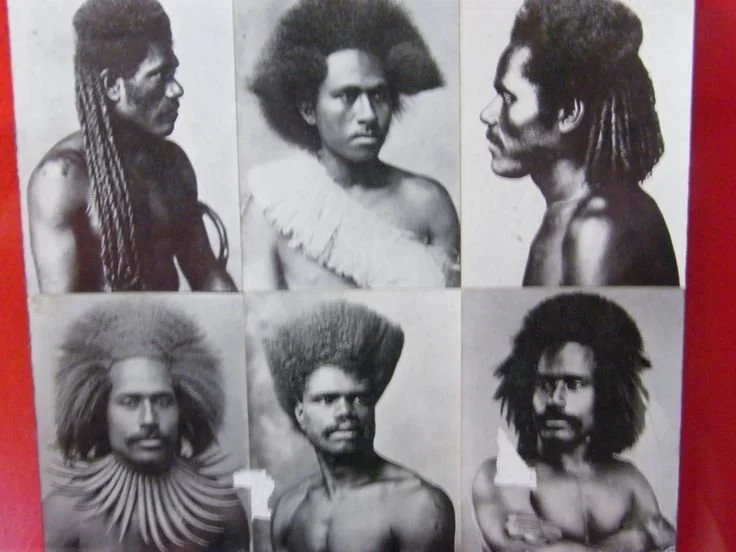
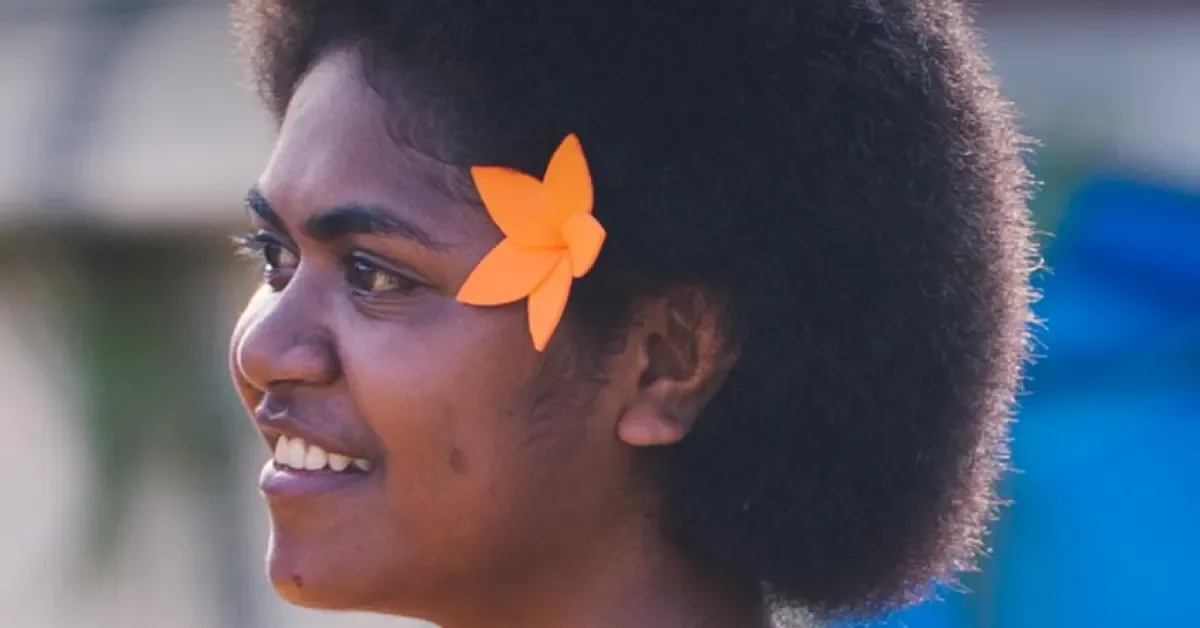
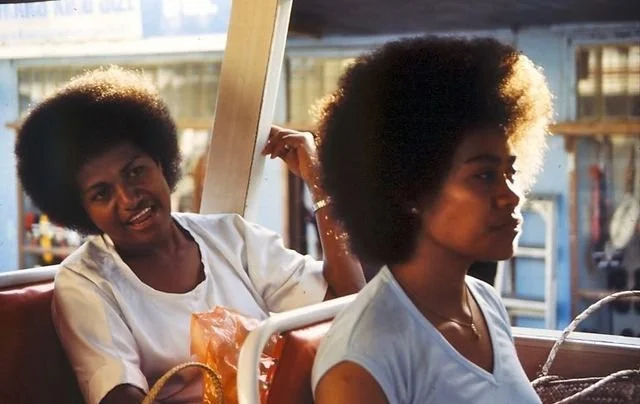
You cannot begin this exhibit without speaking of hair. iTaukei hair is one of the defining staples of iTaukei identity, from braids and bunigas to wigs.
To keep their hairstyles full, healthy, and beautifully perfumed, iTaukei people traditionally used coconut oil infused with flowers such as hibiscus and frangipani. This helped keep the hair shiny, conditioned, and pleasantly scented.
When it came to dyes, they used some of the same natural materials found in the production of tapa cloth (masi). Crushed plant materials, such as soot, candlenut ash, and certain tree barks, were used to darken the hair or create different tints.
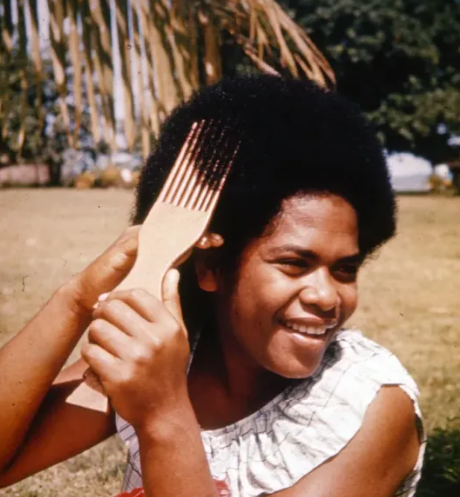
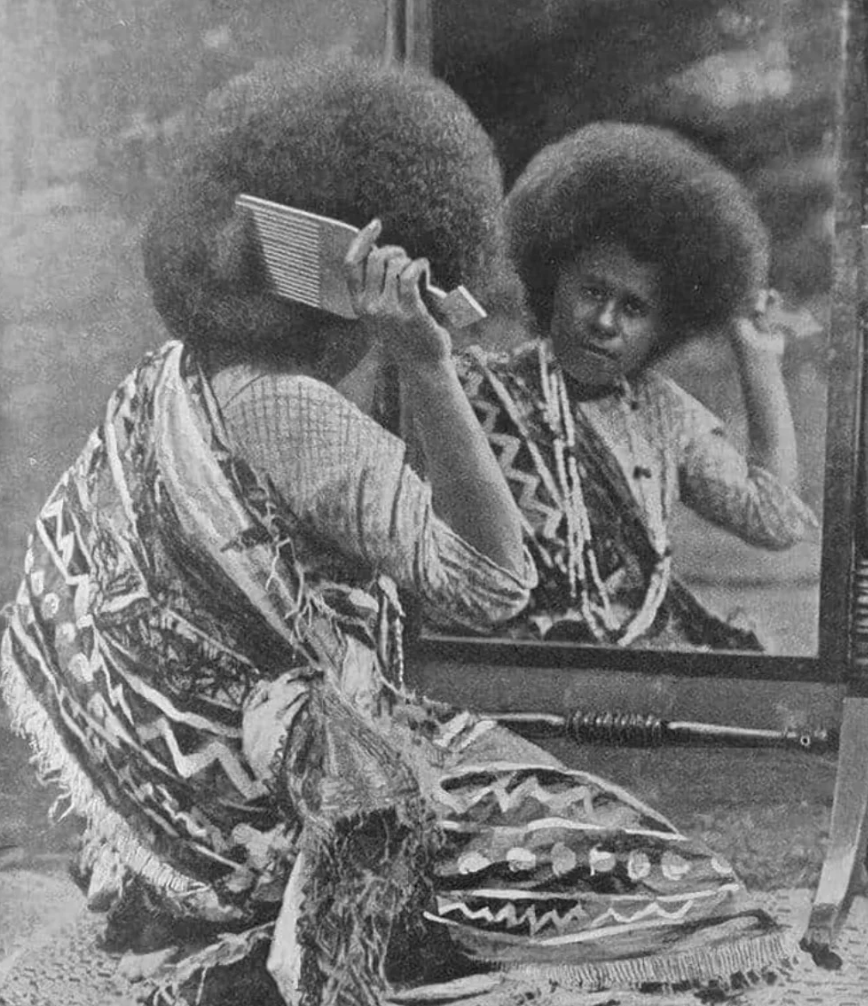
Combs were often made from wood and intricately carved. Special hair picks were used not only to detangle the hair but also to shape, arrange, and style it.
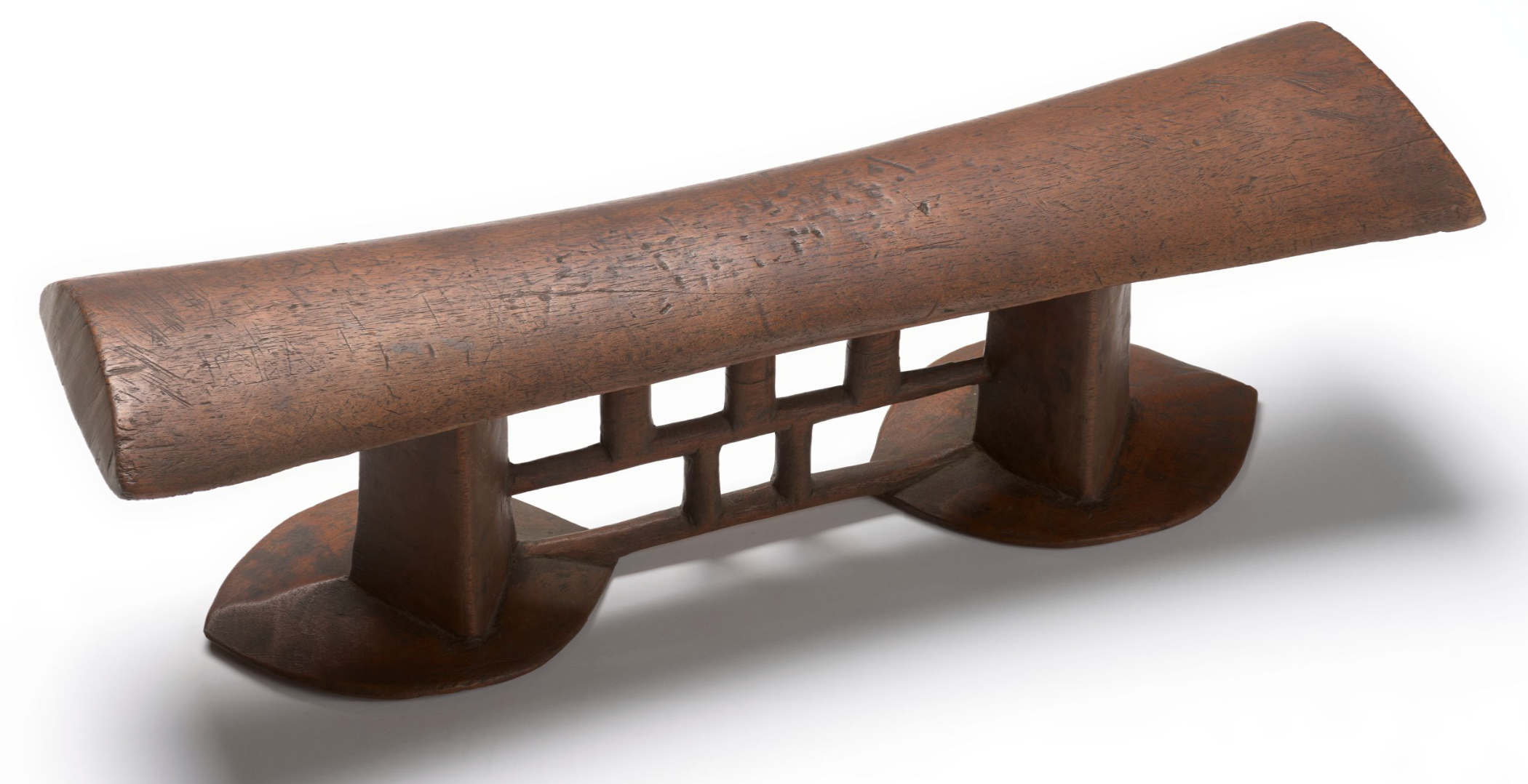
Hair-resting devices, such as the kali (headrests), were used to preserve hairstyles during sleep, preventing them from becoming flattened or damaged. One ethnographic object, a Fijian headrest, was specifically designed for this purpose.
Hair Care
Bobo Massage
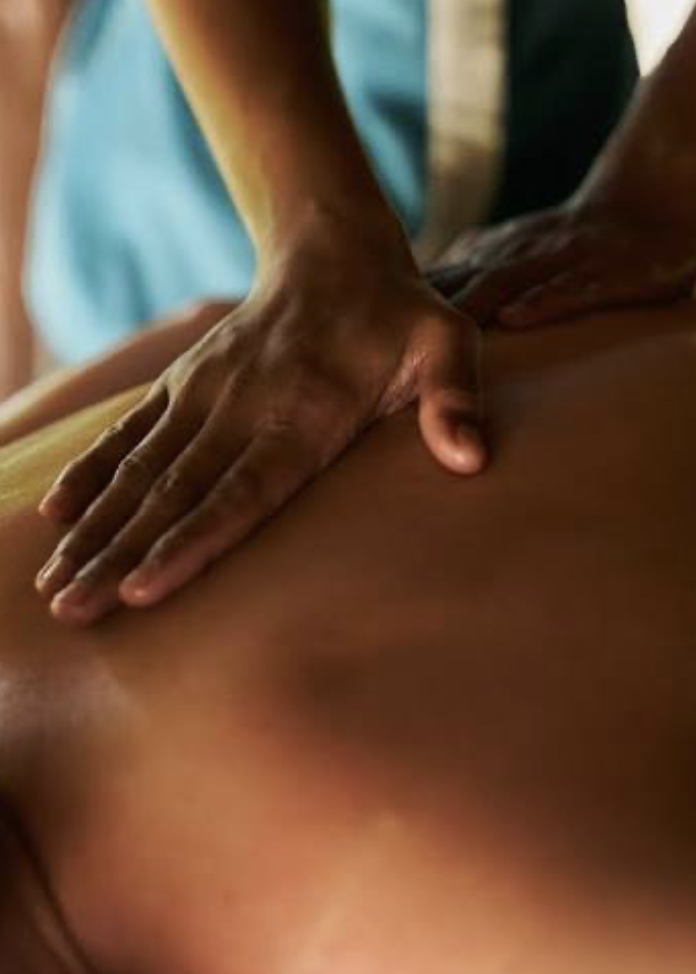
A deep tissue healing massage designed to restore balance to the mind, body, and spirit. This treatment aims to relieve residual muscle pain, release tension, and support the rehabilitation of past injuries.
Skincare in pre-colonial times involved lathering the skin with coconut oil and infusing oils with flowers to create pleasant fragrances.
Coconut Oil: Applied from birth through old age, virgin coconut oil served as a natural emollient, helping to moisturize and protect the skin. It also provided a protective barrier against the tropical sun, saltwater, and insects, particularly for those living along the coast.
Natural Exfoliants: Sea sand and crushed local plant materials were often used as gentle physical exfoliants to remove dead skin, particularly after a day of labour or fishing in the ocean.
Dilo Oil: Extracted from the nut of the dilo tree, this oil was traditionally valued for its healing and regenerative properties. It was used to soothe cuts, insect bites, rashes, and skin irritated by sun exposure.
Bathing was also an important part of daily life, with people often bathing multiple times a day to cool off in the tropical climate and maintain personal hygiene. When European "explorers" first arrived on the shores of the Pacific, they were reportedly astonished by how frequently Indigenous people bathed. Ironically, Europeans would eventually adopt similar bathing practices themselves, recognizing the importance of regular washing for maintaining hygiene, preventing illness, and eliminating unpleasant body odours.
SKIN CARE
Beauty beyond Appearance
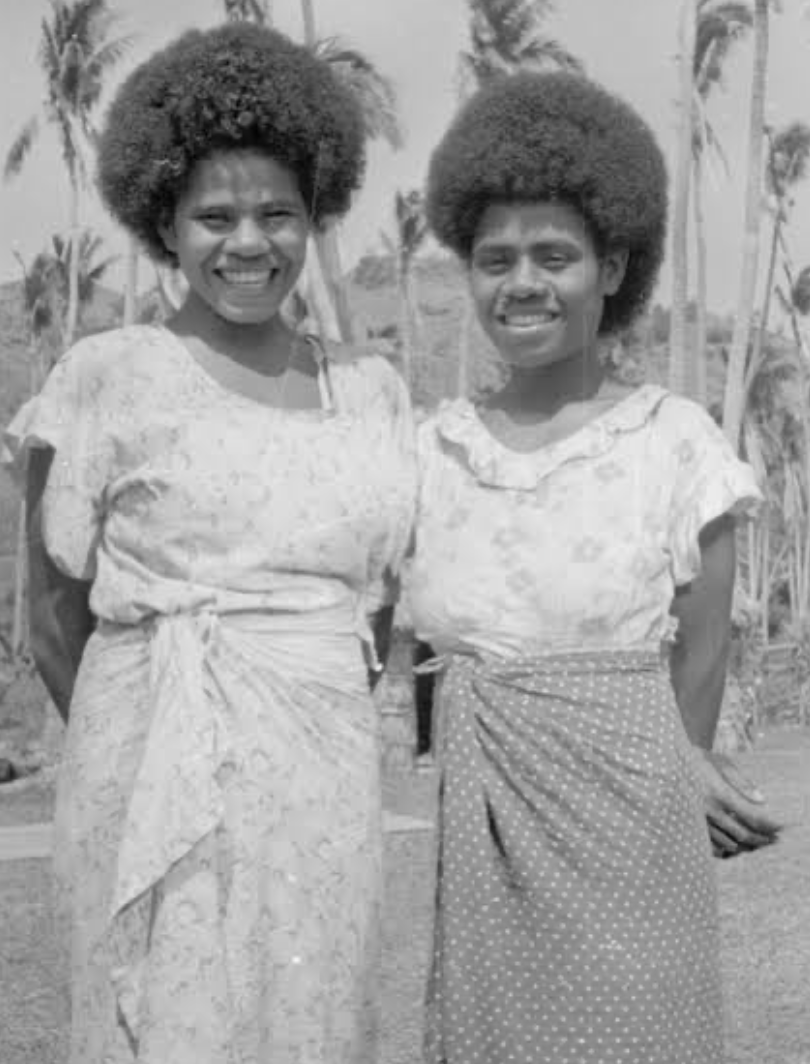
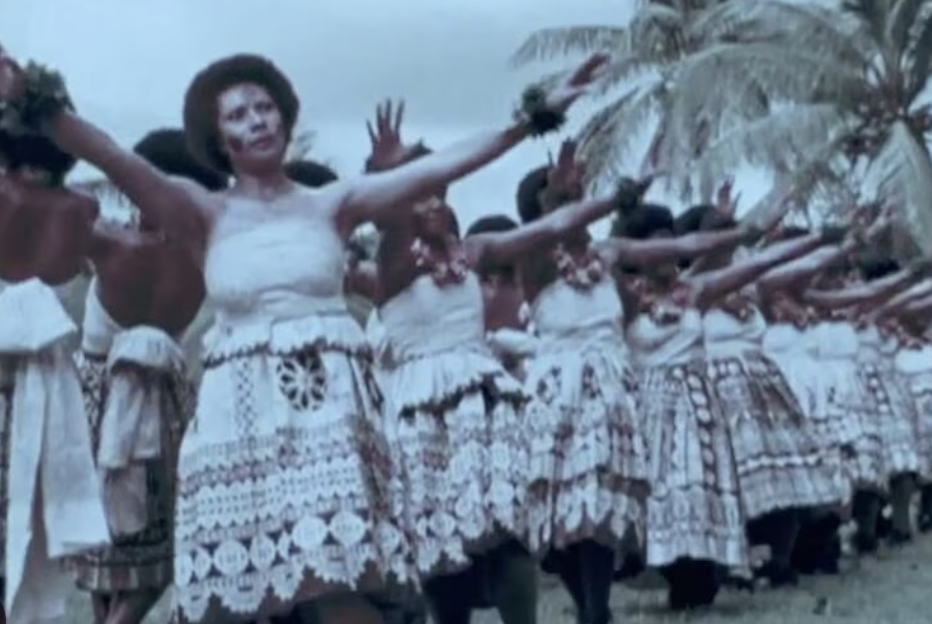
iTaukei beauty standards go beyond appearance. They are expressed through laughter, singing, and dancing. Beauty exists beyond a scale, a hairstyle, or any tangible quality. It is spiritual; a connection to your community, your family, and yourself. Storytelling, medicine-making, and knowledge-keeping are all ways in which beauty is expressed and preserved.
City of Surrey. (2020, October 16). Cultural video series: Fiji - Fijian artifacts and coconut body care showcase[Video]. YouTube. https://www.youtube.com/watch?v=kXn5t9761ec&t=182s
Embracing the buiniga — Thecoconet.Tv - the world’s largest hub of Pacific Island content.Uu. (2026). Thecoconet.Tv. https://www.thecoconet.tv/coco-talanoa/pacific-blog/embracing-the-buiniga/
Fiji : About Fiji - culture - pre-history | tropical Fiji. (n.d.). Retrieved November 10, 2026, from https://www.tropicalfiji.com/about_fiji/culture/prehistory/.
Fijian hairstyle traditions: Crowning a legacy of identity through generations. (2026, January 26). Polynesian Cultural Center; Oʻahu’s Most Authentic Lūʻau | Polynesian Cultural Center. https://www.polynesia.com/blog/crowning-traditions-fijian-hairstyle-a-legacy-of-identity-carried-through-generations
References
Image References
1) Kali - https://collections.tepapa.govt.nz/object/202341?page=1&rtp=1&ros=1&asr=1&assoc=all&mb=c
2) Women Meke - https://www.abc.net.au/abc-international-development/fijis-most-internationally-toured-dance-group-respecting/103073060
3) Black an white photo // Two itaukei Women - https://www.facebook.com/groups/302612704796652/posts/990353006022615/
4) Woman smiling to the side with yellow flower - https://webstories.theguardian.com/stories/au/2023/jan/18/celebrating-a-traditional-fijian-hairstyle/
5) Woman combing hair - https://www.facebook.com/100Pasifika/videos/-the-buiniga-is-a-traditional-fijian-hairstyle-known-for-its-large-rounded-shape/1480206150348933/
6) Collection of traditional men hairstyles- https://www.facebook.com/UciwaiSurf/photos/repost-ilovetaveuninative-itaukei-from-fiji-were-famous-for-their-hairdoos-and-s/679251639215652/
7) Two women on the bus - pintxomoruna
8) Man combing hair - https://www.instagram.com/p/DKPxS8kMfrQ/